

In this article we look at what the spleen is in Chinese medicine and 5 great ways to promote the health of your digestion according to Chinse medical wisdom.
- The Food choices
- The way we eat
- The way we cook
- Other lifestyle choices
- Noticing our habits
What is the Spleen in Chinese medicine?
In Chinese medicine our gut health is spoken of in the strength of the Spleen-qi. It is the central aspect of the digestive process and our overall health. There was a school of thought in Chinese medicine saying when the Spleen-qi is healthy then all other diseases are kept away. It is said that there is a fire in the gut, one which needs to be protected and promoted using warming foods, cooking methods and other lifestyle supportive techniques.
In modern medicine Spleen-qi would relate to the functions of the stomach, small intestine, large intestine, liver, and pancreas, also the micro-biome health, gut hormones, enzyme production and the gut brain axis. An unhealthy Spleen energy is associated with leaky gut, SIBO, irritable bowel, gastritis, inflammatory bowel, etc.
How does the Spleen affect our health?
In Chinese medicine Spleen related symptoms include fatigue, shortness of breath, chronic tiredness, loss of or strong appetite, weight gain, sweet cravings, abdominal bloating, soft bowel movements or constipation. Some health concerns that are considered to fall under a “Spleen qi deficiency” diagnosis include anemia, irritable bowel syndrome, anxiety, functional dyspepsia, Crohn’s disease, reflux or GERD, adrenal fatigue, fibromyalgia, amenorrhea, chronic fatigue, obesity and even hemorrhoids!
Because the Spleen is involved with making Blood, women tend to be more susceptible to developing Spleen energy deficiencies. Each month, during menstruation there is blood loss, causing the Spleen to work harder to substitute the deficiency. Because of this, women are often seen in clinic for diseases of digestion (bloating and difficulty tolerating foods, etc) and in this way the menstrual cycle and women’s hormones are directly related to Spleen Blood quality and nourishment. Working with the Spleen through diet is thought to support menstrual cycle complaints, PMS, period pain, endometriosis and PCOS.
For the athlete, the spleen is directly related to the bulk and quality of muscle tissue. Ensuring healthy Spleen energy through diet and acupuncture is thought to assist in muscle health as observed by Chinese medicine for thousands of years.
5 Ways to strong Spleen-qi in Chinese medicine
1. Food choice
Diet is a potent healing tool for Spleen-qi deficiency in Chinese medicine. Here are some “warming” foods that are supportive to digestive energy according to traditional Chinese medicine,
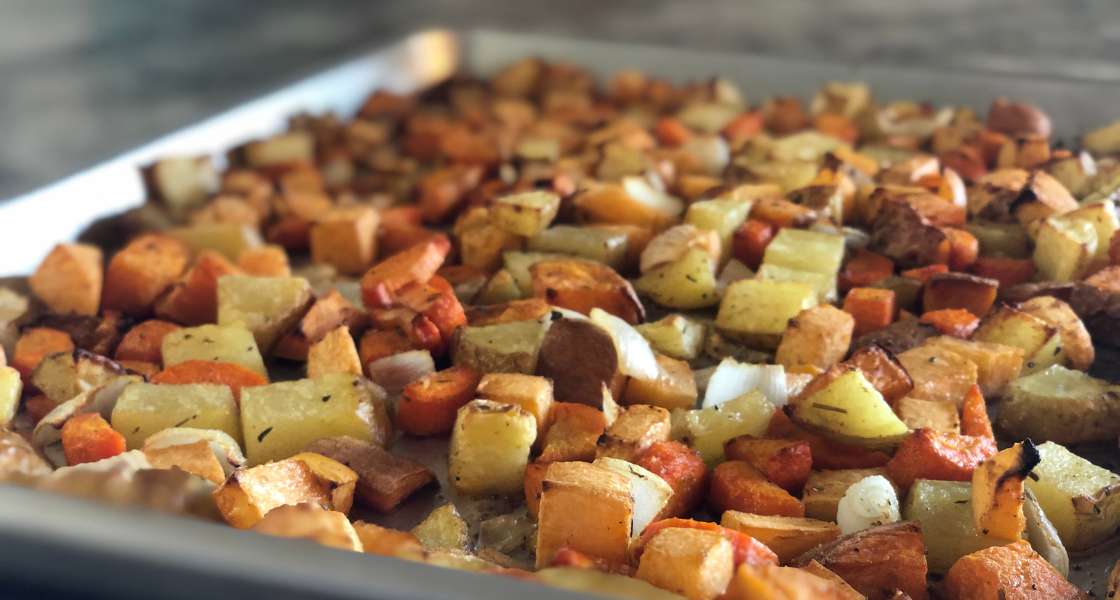
Root veggies: these can be roasted off and used as a side to lots of dishes if made into a roast veggie salad. Add goat’s feta, sundried tomatoes, and warming spices like cinnamon, black pepper and oil and vinegar. Baked potatoes are also great for the same reasons.
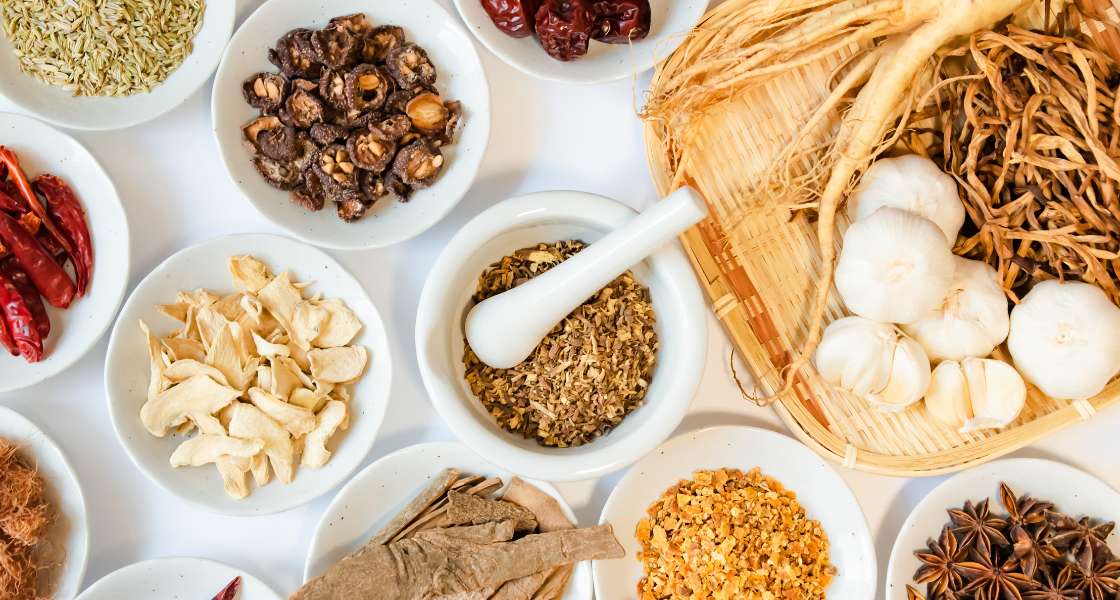
Warming spices: added to your meals, spices warm the digestion/spleen and make a lot of difficult to digest foods easier on the gut. Traditionally all cultures used the aid of spices in cooking for supporting the digestibility of other foods. Spleen supporting spices include – turmeric, ginger, garlic, cinnamon, cardamom, pepper, chili, paprika, basil, oregano, star anise, cumin, coriander, mixed spice, clove, mustard, sage, nutmeg, fennel and dill. If you tend to run hot (you can chat to your Chinese medicine practitioners about the symptoms of body heat) or find tolerating spicy food difficult, trust this and only take the spices that are milder from the list to add to meals as digestive aids.
Warming teas: Adding ginger to black tea, or making homemade turmeric latte or spiced chai can help to warm the gut outside of mealtimes. Ginger tea, fennel seed tea with honey, and licorice tea are all great.
Here are some specific foods that especially support the spleen and can be increased alongside your general diet.
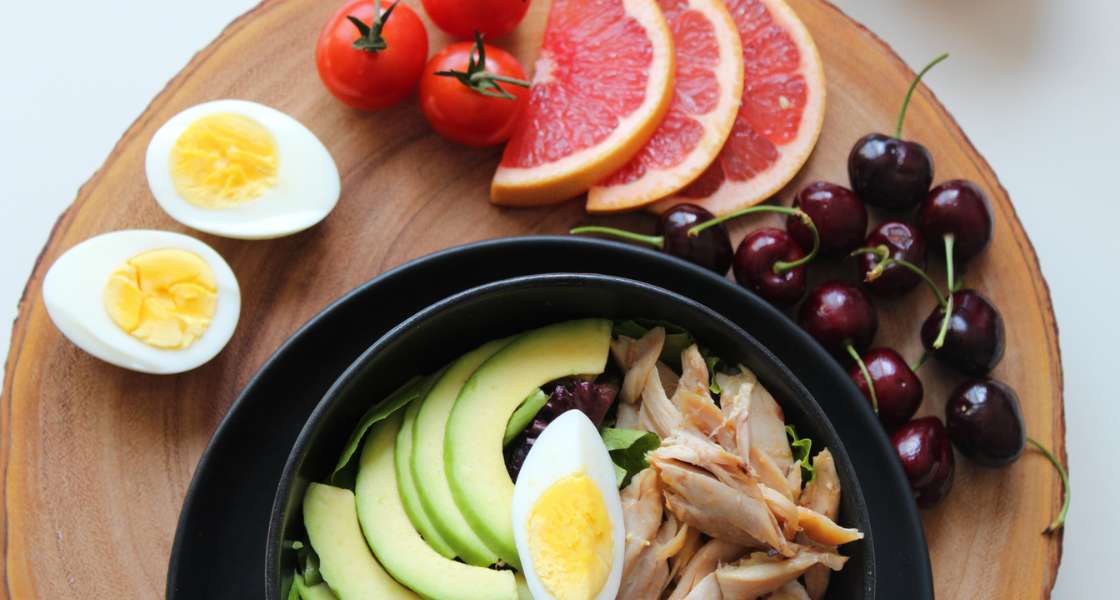
Carrot, pumpkin, squash, almond, beef, cherry, chicken, chickpea, coconut, date, eel, egg, fig, ginseng, grapes, ham, lentils, liquorice, mackerel, microalgae, millet, buckwheat, oats, millet, potato, quinoa, rice, sage, sardine, sweet potato, shiitake mushroom, tempeh, trout, venison, yam, turkey, leek, onion, pine nut, shrimp, cabbage, fennel, bone broths especially chicken, lamb, sesame seeds, walnuts, raw honey.
“Superfoods” are just foods: Don’t feel you need to pay a lot of money for superfoods to be healthy. Simple (bland) cooked food, made mostly of veggies and grains with some quality meat is what Chinese medicine suggests for a heallthy Spleen.
Cut out spleen damaging “cold energy” foods: Bread, pasta, milk, cheese, sweet foods, ice cream, greasy/fatty foods, processed food, alcohol and smoothies are cold for the gut, over time they can undermine the energy of the Spleen. Eat less.
Traditionally fermented sourdough is much more easily digestible and ok in moderation – great on Sunday morning! Goat’s milk and goats cheese have more warming energetics and used as cow milk substitutes. An easy substitute for pasta is thick rice noodles.
Avoid excess of green tea, iced drinks, beer, fermented drinks such as kefir and sour-milk products. Don’t eat too much fruit, it is best eaten in the season it’s falling from the tree and a little either side of this. Fruit is cooling for the digestion hence eating too much gives the symptoms of weak Spleen energy like diarrhea. Berries are okay. Dried dates and raisins are ok also in moderation. The citrus and melons are the most cooling and bananas can be the most difficult for the Spleen-qi to digest.
Finally, if you notice that you eat something that causes symptoms such as fatigue, brain fog, mucous in your throat, runny nose, bloating or heavynes in your stomach, this is your body’s way of letting you know that your gut is struggling. It is a loud indicator from your body to avoid that food or drink in the future until the Spleen-qi is able to cope better.
2. The way we eat
Eat regular meals: If intermittent fasting is your thing it is better to fast during the late afternoon (the time of day when the digestion is most at risk of damage by food) and start eating again in the morning when the Spleen is the strongest. For people not fasting, eating more food toward the beginning of the day and eating light toward the end can improve spleen function for the same reasons. Completely avoiding eating after 7 pm is ideal.
Eating in a relaxed environment: Making some time after eating to stay in ‘rest and digest’ to adequately support the digestion (15-20 mins).
Eating food slowly and chewing well: The saying here is to “Eat your drinks and drink your food”. In addition bringing mindfulness to eating promotes satiation, digestive stimulation, and promotes total pleasure in eating!
Eat to 80%: Ideally stop eating just before you start to feel noticeably full. If you can’t do this, definitely try and not eat after you feel full.
Avoid drinking large amounts of water with the meal and avoiding drinking chilled or cold drinks in general.
3. The way we cook
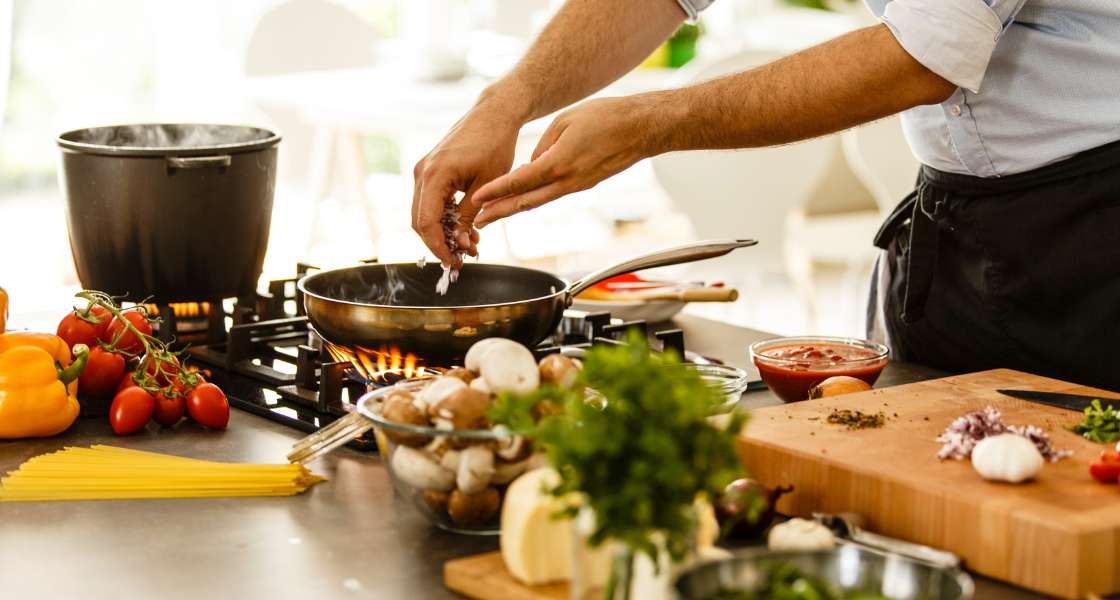
Cooking food is very important in Chinese medicine for promoting health within the Spleen. When we cook a meal we warm and predigest it. Avoiding raw foods for people with weak digestion is supportive all year round, for people with stronger digestion, raw foods are tolerated mostly in the hot months of summer.
Warming cooking styles include slow cooks, soups, or broths and baking in winter. Easily digestible styles of cooking include steaming, boiling and light stir-frying. Avoiding deep frying or shallow frying is best.

4. Other lifestyle choices
The Spleen can be negatively affected by prolonged study or intense thinking and by worrying or general anxiety. In contrast due to the gut brain axis, meditation and deep relaxation, qi gong, tai qi and yoga are useful to improve spleen-qi energy.
Taking regular light exercise, acupuncture/moxibustion and at home abdominal self-massage promotes the movement of energy in the Spleen to prevent stagnation.
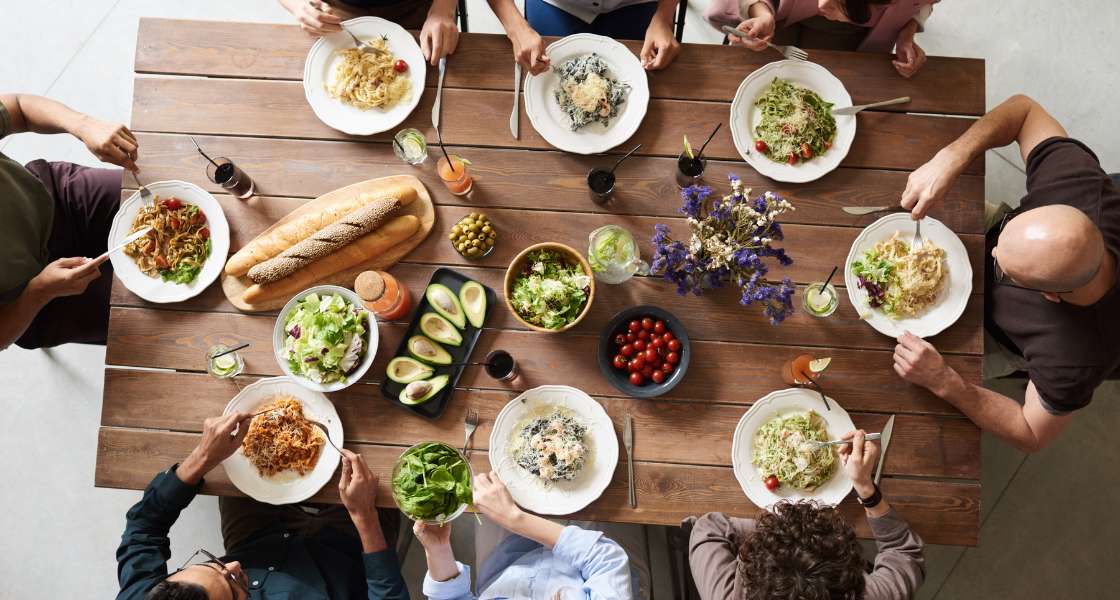
Saying grace or cultivating gratitude for the food you eat may seem outdated but engaging gratitude while eating is a method of nourishment and self-love and vegus nerve stimulating. Eating with others where possible is another heart-cultivating Spleen-qi supporting lifestyle method.
5. Noticing our habits
Avoid grocery shopping when hungry. This is the time we have the most control over what we eat because it’s the time we choose what’s available to us later when we feel hungry. If you have trouble finding time to shop try online shopping.
Learn 3-5 recipes that you can cook well and you like eating that support your Spleen-qi. Then when you’re in a rush or have little time and energy you have go-too’s.
Identify what meals you have trouble with. Whatever that meal or snack time is give some careful consideration to how you might better manage it. For example if it’s a poor appetite at breakfast you can take a walk around the block before eating to drop blood sugar levels so that your appetite improves, or the day before eat your evening meal much earlier so you wake with hungrier.
If you know you’re going to grab on the go at lunch and go for any old thing, research five food places that offer healthy Spleen supportive options. At dinner, if you are busy or too tired to cook get handy with slow cooks and soups, they are easy to prepare and extremely supportive to the Spleen. You may also like to meal prep on the weekend.
Ensure you eat enough to see you through! Calories-in vs. calories-out is a somewhat outdated understanding of weight management. We now understand gut hormones and enzymes, women’s hormones, microbiome health, inflammation, stress hormones, blood sugar levels, sleep quality, and nutrient levels are involved in weight management. Don’t starve yourself, this will not support your health or hormonal regulation
For more information on Chinese dietary wisdom take a look at this great website and make an appointment today to understand how acupuncture and Chinsese medicine may be able to support your digestive health further.
Please note this is general information and a correct diagnosis is required for Chinese medicine food dietetics to be therapeutically applied for an individual. This is not a substitute for medical advice, please see your GP if you have concerns.