

Depression and anxiety can be frightening, isolating and sometimes an unexpected place to find ourselves in.
With the ongoing turbulent global issues we are currently traversing, many people are feeling a lack of optimism and positive feelings for the future. However there are varied reasons for feeling low and it is important to receive personalized support and treatment to navigate the experience.
As depression and anxiety diagnosis are becoming more frequently made in New Zealand the use of antidepressants is on the increase (1). However medications can fall short of peoples needs and expectations and people are looking for wider supports and strategies in mental health.
Since the 1960s depression has been attributed to the neurotransmitter imbalance theory, a lack of serotonin in the brain, however it is lesser known that since the 1980s this has been disproven (3). The biomedical model of depression is still unclear and while anti-depressants are being prescribed for depression, the evidence for long term efficacy is still up for debate (4).
Adding to this antidepressant withdrawal is known to have lingering negative effects which can leave people wondering if they will be able to leave the medications behind (2), (Take a look here for further resources for tapering off antidepressants).
Wholistic, personalized and multidisciplinary care is often required in the journey away from, or in the management and recovery of depression.
It is becoming understood that historical theories and methods for managing mental emotional wellbeing, such as those utilized by Chinese medicine, have significant benefits and that research is now pointing toward for gentle yet profound mind-body regulatory support
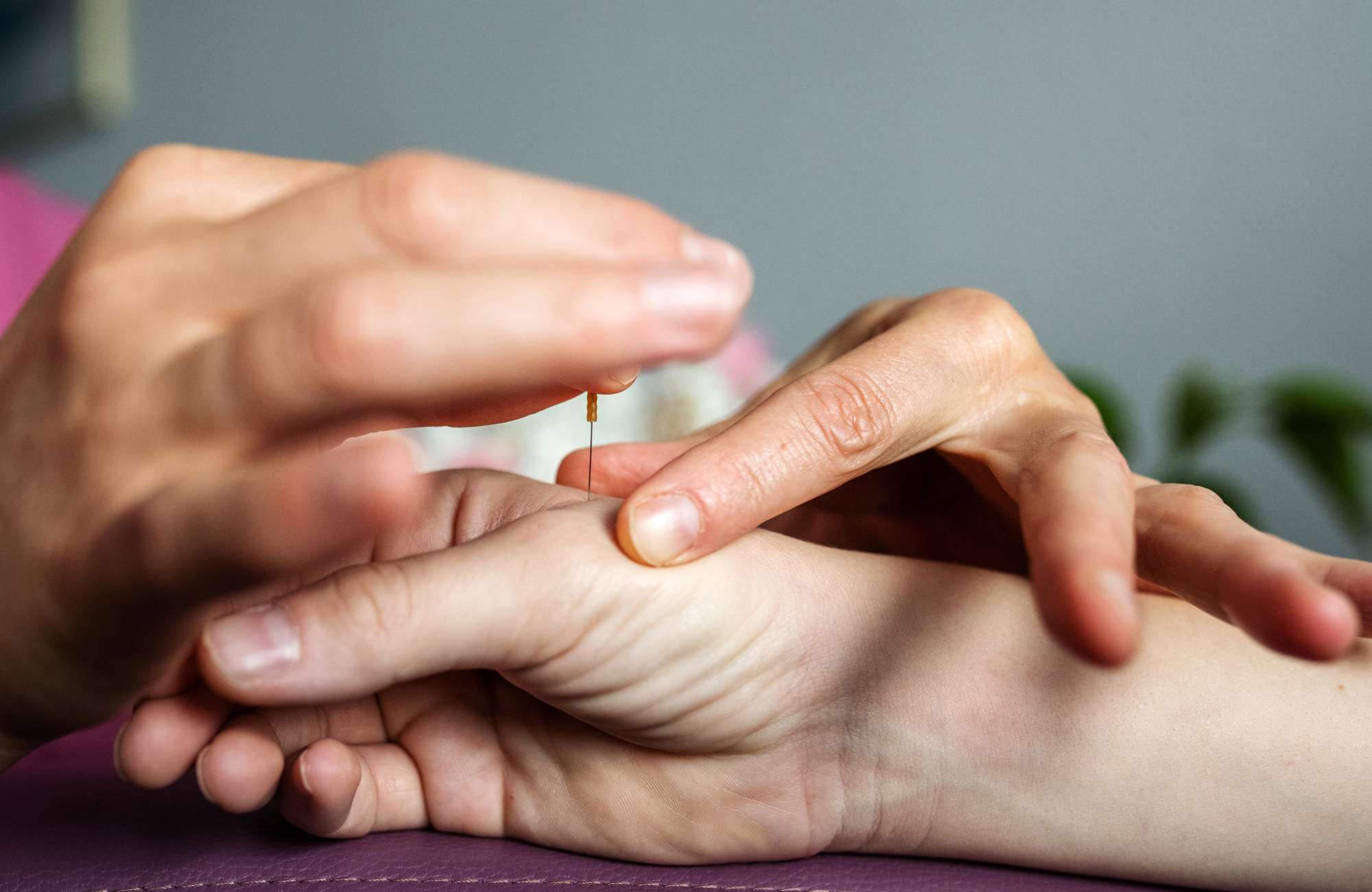
Acupuncture: an adjunct support for depression.
This is why a whole-person approach to the management of depression is valuable.
So where does acupuncture fit? Research is exploring how acupuncture may influence the brain and nervous system of people with depression. Studies suggest acupuncture may:
- Support hippocampal function and neuroplasticity to support processes involved in mood, memory and emotional regulation.
- Influence neuroinflammatory pathways, which are increasingly being investigated in depression.
- Help regulate the stress-response system, including the HPA axis.
- Research suggests acupuncture may increase parasympathetic activity supporting the body’s natural rest, recovery and regulation processes.
These mechanisms are still being researched, but they help explain how acupuncture may have effects beyond simply helping us to relax (7).
One systematic review found evidence that acupuncture can influence parasympathetic activity through changes in heart-rate variability. This has implications for depression rooted in nervous system exhaustion and burnout syndromes.
Evidence also shows acupuncture can offer some relief to the individual symptoms of depression, comparable to medication and with out the side effects or dependency issues when taken alongside counselling (5).
So how does this work in clinic? Acupuncturists work with depression by assessing the individuals specific presentation of their depression experience. By looking into the persons symptomology of depression, how it affects the body and mind, acupuncturists work to mitigate the experience. This may look like using acupuncture treatments for associated digestive symptoms, pain, sexual dysfunction, sleep quality, mood volatility, poor energy levels and other areas of the patients personalized experience.
Additionally acupuncturists use acupuncture points to support the mental aspects of depression, including symptoms such as nightmares, irritability, rage and aggression, anxiety, frequent crying, panic attacks and negative thoughts.
Depression is a complex condition and requires a multifaceted approach to treatment. Acupuncture and Chinese medicine lifestyle and dietary measures, alongside other psycho social, biomedical and psychological support, offers proven methods of moving into a more hopeful space (2).
Acupuncture is now well known in its use for managing the side effects of anti-depressant withdrawal symptoms, with the aim to support feelings of stability over the potentially difficult months after cessation or tapering of medications.
When looking for safe and effective ways to relieve burdening feelings, acupuncture may offer a new potential for support (2).
Here’s some further reading into the biomedical methods of how acupuncture works and the evidence for its use in depression.
We strive to provide a non judgmental, calm and nourishing environment alongside genuine care; we are especially aware of the internal struggle that depression can present. An acupuncture treatment for depression is always managed in a way to bring a sense of safety and comfort.
Where to get help
- Need to Talk? Free call or text 1737 any time to speak to a trained counsellor, for any reason.
- Lifeline: 0800 543 354 or text HELP to 4357.
- Suicide Crisis Helpline: 0508 828 865 / 0508 TAUTOKO. This is a service for people who may be thinking about suicide, or those who are concerned about family or friends.
- Depression Helpline: 0800 111 757 or text 4202.
- Youthline: 0800 376 633 or text 234 or email [email protected].
- What’s Up: 0800 WHATSUP / 0800 9428 787. This is free counselling for 5 to 19-year-olds.
- Asian Family Services: 0800 862 342 or text 832. Languages spoken: Mandarin, Cantonese, Korean, Vietnamese, Thai, Japanese, Hindi, Gujarati, Marathi, and English.
- Healthline: 0800 611 116.
- Eating Disorders Carer Support NZ: Also on Facebook.
If it is an emergency and you feel like you or someone else is at risk, call 111.