Non-steroidal anti-inflammatories (NSAIDs)
What does the evidence say, and how does acupuncture support pain relief?
NSAIDs are cheep (yay) and accessible (yes)… But do we understand what we’re choosing? Our bodies most powerful signal to prompt us to protect injured tissue is PAIN! It is inconvenient for busy schedules because real healing is generally a slow and considered process.
Inflammation in response to injury is a complex operation, refined by evolution over millions of years, it links pain and healing intimately. Are we ignoring this wisdom?
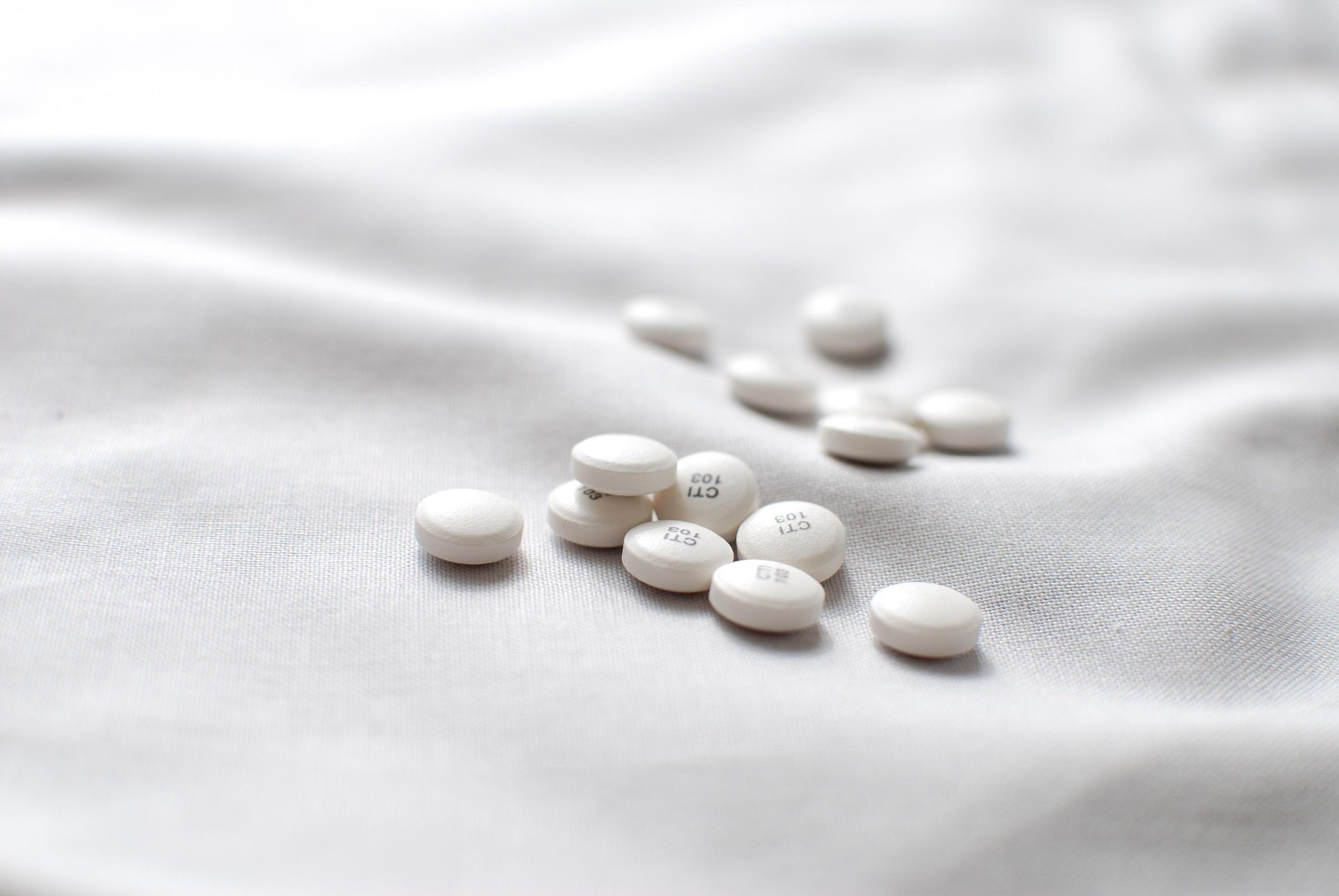
Automatic, frequent or prolonged use of NSAIDs for pain related to sports training, post-workout soreness and fatigue, daily aches or uncomplicated injury is not recommended by health professionals. Evidance is now showing some disadvantages associated with their use to healing and to other areas of our health (1).
Here are two main ways NSAIDs disadvantage healing.
- NSAIDs block Cyclooxygenase (COX1-2) release by injured cells down regulating inflammatory signalling of prostaglandins. With reduced prostaglandin activity, there is reduced recruitment of vital immune cells responsible for restructuring and remodelling damaged tissue such as tears, sprains, strains, and to remove cellular waste (2).
- NSAIDs prevent pain signalling, an important protective signal. When pain is masked, injured tendons, ligaments and torn muscles continue to be loaded past their capacity. More micro-injury can occur while proper healing is perpetually interrupted. This inability to heal adequately results in scar tissue to calcify instead of being organised and remodelled into healthy functional tissue.
Other than these affects on injury healing research over the last decade has shown the seemingly safe and reasonable daily choice to pop some pills and get on with is actually leaving the body at risk (3).
- NSAIDs damage stomach lining by preventing prostaglandins responsible for thickening protective gut mucosa. Leaky gut ( increased gut permeability) creates whole body, low grade inflammation and can create a disregulated immune response. Leaky gut can contribute in the development and progression of autoimmune disorders.
- NSAIDs alter the diversity of healthy gut microbiome, what this means for health is still being investigated.
- NSAIDs interference with prostaglandin synthesis causes lower filtration of blood through the kidneys, over time this can interfere with electrolyte imbalance affect blood pressure and damage kidney cells.
- NSAIDS increase the risk of cardiovascular adverse events such as heart attack and stroke, even in people without history of heart disease. Habitual and prolonged use increases clotting activity and can elevate blood pressure both stressing heart function (4).
- NSAIDs taken during the 1st and 2nd trimester of pregnancy increase the chances of miscarriage and can cause serious kidney damage in the unborn baby when taken in the 3rd trimester.
If NSAIDs leave us potentially vulnerable to re-injury, arthritic changes, chronic pain and altered movement patterns, how can we get pain relief without undermining healthy tissue healing?
Injury healing requires proper rehabilitation, therapeutic care and attention.
Chinese medicine with its long history and experience with watching injury heal in the martial arts arena has utalised treatments such as acupuncture, gua-sha, cupping, massage, herbal bathing and liniments and poultices of special herbal properties. How do they work?
Acupuncture stimulates powerful endogenous opioids to mitigate pain centrally while adenosine secreted locally at the needle site assists in pain relief. Increased blood flow brings healing immune cells and nutrition while supporting cellular waist removal. (5)
Gua-sha and cupping increase blood flow and create micro-perfusion to up-regulate hemeoxigenase-1, an enzyme with anti-inflammatory and antioxidant properties that support coordination of a healthy inflammatory response. They both blunt pain signalling via nitric oxide syntheses, promote lymphatic drainage and relax tight muscles and joints. (6)
Moxibustion improves tissue metabolism and oxygen delivery, activates heat sensitive receptors to mitigate pain and Influences inflammatory mediators through heat-induced cellular responses. (7)
Herbal baths and soaks incorporate the healing effects of wet-heat for tissue repair and relaxation with specific herbal blends that have been documented in ancient texts to promote the beneficial effects of moving the Blood and the Qi, cooling heat in the meridians and reducing swelling to stop pain. (8)
Can we turn towards slow and authentic healing and let our body guide us in better health?
Our health is the single most valuable asset we have, it relates to honest choices we make for ourselves and often these are small choices made daily. NSAIDs may feel as if they keep us in the game, running the rat race, but are we trading tomorrows happiness for today?
References:
1) Best Practice Advocacy Centre New Zealand. (2013, October). Non-steroidal anti-inflammatory drugs (NSAIDs): Making safer choices. Best Practice Journal, (56), 18–27.
2) BMJ, 386, Article q2030. doi.org. The citation uses the article number and a full DOI URL, consistent with The BMJ‘s online formatting. View the original article on The BMJ.
3) Healthify He Puna Waiora. (2022, December 9). NSAIDs risks. https://healthify.nz/medicines-a-z/n/nsaids-risks
4) Medsafe. (2019, June 7). NSAIDs and cardiovascular risk. https://www.medsafe.govt.nz/profs/PUArticles/June2019/NSAIDs-and-cardiovascular-risk.htm
5) International Association for the Study of Pain. (2023, May 12). Acupuncture for pain relief [Fact sheet]. https://www.iasp-pain.org/resources/fact-sheets/acupuncture-for-pain-relief/
6) Al-Bedah, A. M. N., Elsubai, I. S., Qureshi, N. A., Aboushanab, T. S., Ali, G. I. M., El-Olemy, A. T., Khalil, A. A. H., Khalil, M. K. M., & Alqaed, M. S. (2019). The medical perspective of cupping therapy: Effects and mechanisms of action. Journal of Traditional and Complementary Medicine, 9(2), 90–97. doi.org.
7) The mechanism of moxibustion: Ancient theory and modern research. Evidence-Based Complementary and Alternative Medicine, 2013, Article 379291. doi.org.
8) Bisio, T. (2020, July 26). Herbal soaks for sports injuries. Internal Arts International. https://www.internalartsinternational.com/free/herbal-soaks-for-sports-injuries/. For the full article, visit Internal Arts International. [1, 2]